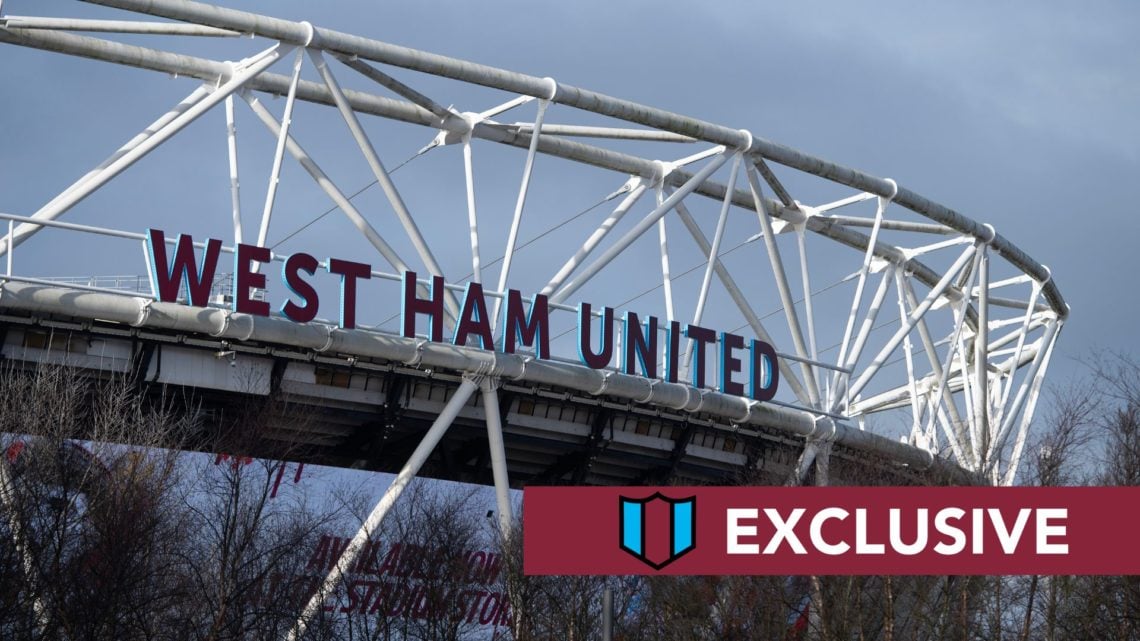


West Ham have made a brutally honest admission about Newcastle United after claiming PSR is making it almost to be competitive.
- Hammers News exclusive
West Ham are the 17th richest club in world football in terms of income and have the third wealthiest ownership in the Premier League.
One of only two clubs above the Hammers in terms of richest owners is Newcastle.
The Magpies are by far and away the richest sports team on the planet bar none with their owners boasting a net worth of £478 billion.
No other club on the planet even comes close to that kind of mind-blowing figure and status.
West Ham leapfrogged the likes of Aston Villa and Man City into third spot of that particular table after their second biggest stakeholder Daniel Kretinsky saw his net worth double to £13bn earlier this season.
As Newcastle have found out to their maddening frustration, though, it is counting for very little.
Profit and Sustainability Rules have been the topic of conversation in the Premier League as often as the action on the pitch in recent seasons.
PSR restricts clubs to only spending based on their income and wages.
It has become hugely restrictive for ambitious clubs like Newcastle and Aston Villa.
Despite fan discontent at West Ham, their ownership can count themselves in that category given the club have been the Premier League’s fifth biggest spenders in the last three years.

West Ham make brutal Newcastle admission
The Hammers spent £155m last summer on nine players – helped by the sale of Declan Rice for £105m the summer before.
That rebuild has not worked out, though, with Graham Potter being brought in to try and emulate the likes of Eddie Howe at Newcastle with a fresh overhaul.
West Ham majority owner David Sullivan is currently selling his Marylebone mansion for £65m.
That is the same figure West Ham borrowed from £69m owed to them by other clubs.
The Hammers were so desperate to get access to that money ahead of time they forfeited the other £4m to Barclays Bank.
But the sale has nothing to do with raising funds to spend on the team.
Because only club turnover can be factored in to spending.
There have been claims Potter faces a difficult summer window if he wants to make signings. That sparked an angry reaction from fans.
Yesterday the Hammers hierarchy admitted PSR is making it almost impossible to be competitive.
Especially with no European football to boost club coffers.
Newcastle would concur having also been unable to truly flex their financial muscle due to PSR.
So too would Aston Villa co-owner Nassef Sawiris, who has previously stated he is considering legal action against the rules he believes “do not make sense” and are bad for football.
Now West Ham have made a brutal Newcastle admission as Premier League clubs vote to keep PSR for now.
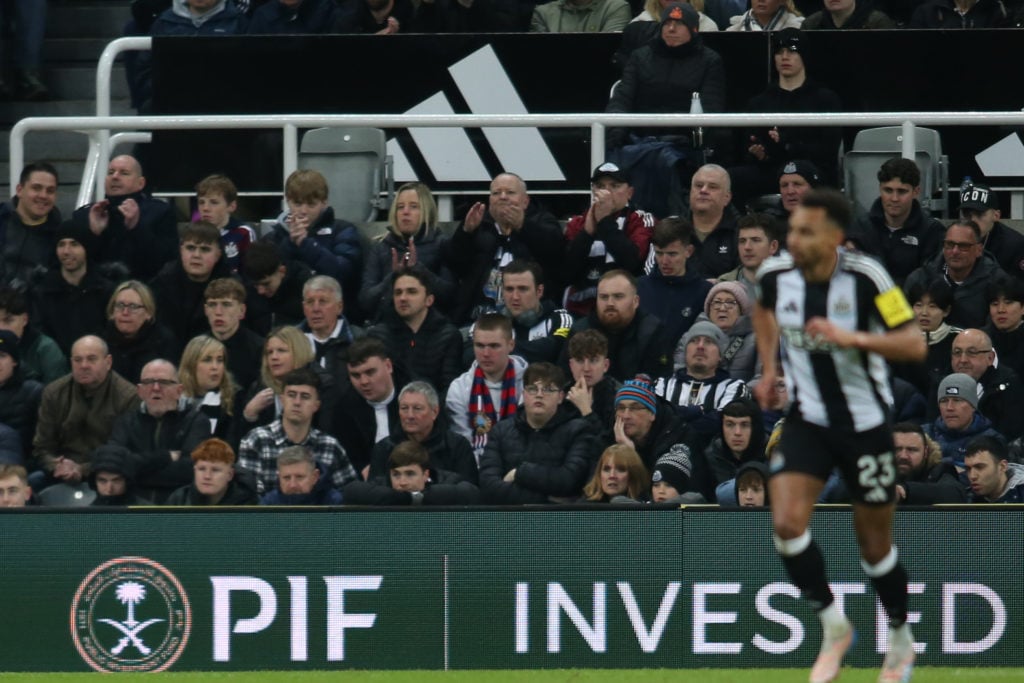
Hammers honest as Premier League clubs keep PSR for now
PSR were to be replaced by Squad Cost Ratio rules in the summer.
But Premier League clubs agreed at a meeting in London on Thursday to stick with PSR for at least one more season.
PSR limits clubs to losses of £105m over three years whereas SCR, which is modelled on UEFA’s financial rules, limits clubs to spending 85 per cent of their revenue on football costs.
SCR would also feature “anchoring”, limiting how much clubs could spend on player wages and transfers to five times the revenue the league’s bottom club receives in broadcast and prize money.
To use Sheffield United as an example – the Blades generated £110m worth of income last season. That means, under SCR, the spending limit would be five times £110m so £550m.
Newcastle perhaps best highlight how farcical the situation is more than any other club.
The Magpies were forced to sell three key young players to the likes Forest, Brighton and Juventus just to comply with PSR.
PSR effectively stops Newcastle running amok
So if PSR is so restrictive for clubs – why has it been retained?
Well according to a top spokesman for West Ham – Newcastle are essentially the reason.
While West Ham fans were frustrated to learn any funds raised by Sullivan’s mansion sale cannot be used on the club, the rationale is simple.
It is to prevent the likes of Newcastle obliterating everyone else out of sight.
“Yes it has to be club generated income,” a spokesman for West Ham’s owners exclusively told Hammers News after Prem clubs voted to keep PSR for now.
“It is to stop clubs like Newcastle getting huge cash injections from the Kingdom of Saudi etc.
“For what it is worth, even if the mansion sale could be used to finance West Ham spending – with all the non-doms and so any rich people leaving the country David thinks he’ll own the house for a long time anyway!”
It is reported that clubs are now expected to wait until they know the outcome of Manchester City’s latest legal challenge to the Associated Party Transaction rules before voting on adopting SCR.
The PFA have also threatened legal action if the Premier League adopts “anchoring” because they believe it is anti-competitive and effectively a salary cap for players.
| Premier League’s richest owners | |||
|---|---|---|---|
| Rank | Club | Owner(s) | Net worth |
| 1 | Newcastle United | Saudi Public Investment Fund, RB Sports & Media, PCP Capital Partners | £478billion |
| 2 | Man United | Glazer Family, Sir Jim Ratcliffe | £19.2billion |
| 3 | West Ham | David Sullivan, Daniel Kretinsky, Vanessa Gold, Tripp Smith | £14.06billion |
| 4 | Aston Villa | Wes Edens, Nassef Sawiris | £13.8billion |
| 5 | Man City | Abu Dhabi United Group, Silver Lake | £12.9billion |
| 6 | Chelsea | Todd Boehly, Hansjorg Wyss, Mark Walter | £12.21billion |
| 7 | Ipswich | Gamechanger 20 Ltd | £10.8 billion |
| 8 | Arsenal | Stan Kroenke | £9.97billion |
| 9 | Liverpool | John W. Henry, Tom Werner | £7.57billion |
| 10 | Fulham | Shahid Khan | £6.1billion |
Receive a digest of our best West Ham content each week direct to your mailbox