


West Ham’s transfer debt – not their players’ wages or the huge drop-off in TV money – could be the club’s biggest problem if they are relegated from the Premier League.
West Ham could climb out of the bottom three with a win at Newcastle on Sunday, at least until Spurs face Chelsea next Tuesday. Given the goal difference between the London rivals, the Irons must win at least one of their last two matches to have any chance of staying up.
But ultimately, their fate is no longer in their hands. Nuno Espirito Santo’s side could win both matches and still go down with 42 points, matching their own 2002-03 record for the team to be relegated with the most points in a 38-game season.
Contingency plans must therefore be in place. Premier League teams lose a minimum of £50m in TV money if they drop into the Championship, and that is assuming they bounce back at the first attempt. Commercially, West Ham would also suffer. Sponsors simply won’t pay as much to be associated with a product played in front of a fraction of the viewership, while merchandise will sell less quickly.
How worried should West Ham be about SUCCESSIVE relegations? 📉
Sunderland and Leicester went from the Prem to League One in 12 months…

Who exactly will be steering the ship, either in the dugout or behind the scenes, if relegation happens? Karren Brady has been replaced by Karim Virani on what at the time of writing is an interim-only basis; Daniel Kretinsky could up his stake in the club, but David Sullivan appears unwilling to budge; and Nuno could stay or go, depending on which source one asks.
Financially, however, it is imperative that the Hammers get their ducks in a row.
Their wage bill last season was £176m, which was one of the biggest outside the so-called ‘Big Six’. Players are said to be on 50 per cent pay cuts though, while high-profile sales would be inevitable too. Neither that, nor the loss of TV money, is the biggest problem.
That status is reserved for net transfer debt, which – at the last count in May last year – stood at an eye-watering £192m. In layman’s terms, that is the figure that they owed other clubs in transfer instalments, minus what they were owed by others. Granted, that figure will likely have come down somewhat in 2025-26 because of the profile of the deals that they have done, but that £192m was the highest outside the Big Six last term.
The club’s reliance on high-interest loans from the likes of Rights and Media Funding meanwhile suggests that they are straining to meet cash flow requirements even in the top flight. So what will the situation be if they are relegated and lose perhaps £100m in media, matchday and commercial income overnight?
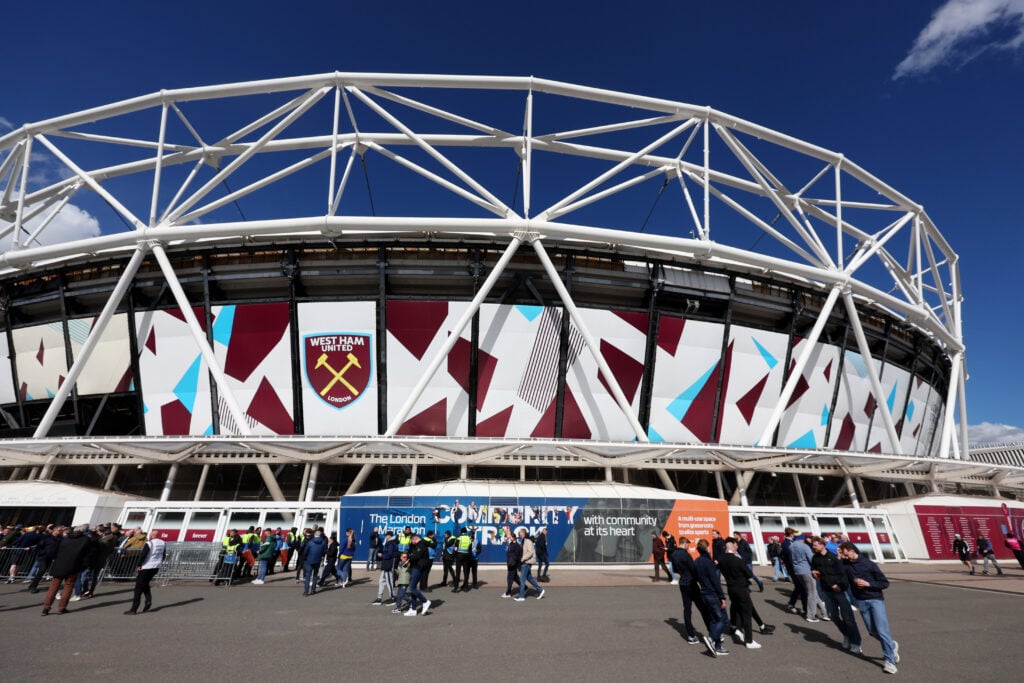
“West Ham’s owners did acknowledge in the last set of financial statements that, should the club be relegated, there would be a lot of pressure on cash flow,” says University of Liverpool football finance lecturer Kieran Maguire, speaking exclusively to Hammers News.
“They have borrowed from third parties in part to deal with that. However, I’d be surprised if those third parties weren’t willing to extend that third-party support. But on top of that, owner funding is likely to be needed.
“The good news is that they have players that they can sell for a good price – Bowen, Fernandes, Summerville and so on. You can generate a lot of cash from player sales.
“With PSR, they’d be allowed to lose up to about £83m. The Declan Rice get-out-of-jail-free card has expired, which means you have to be smart with player sales to get to that threshold.”
Receive a digest of our best West Ham content each week direct to your mailbox